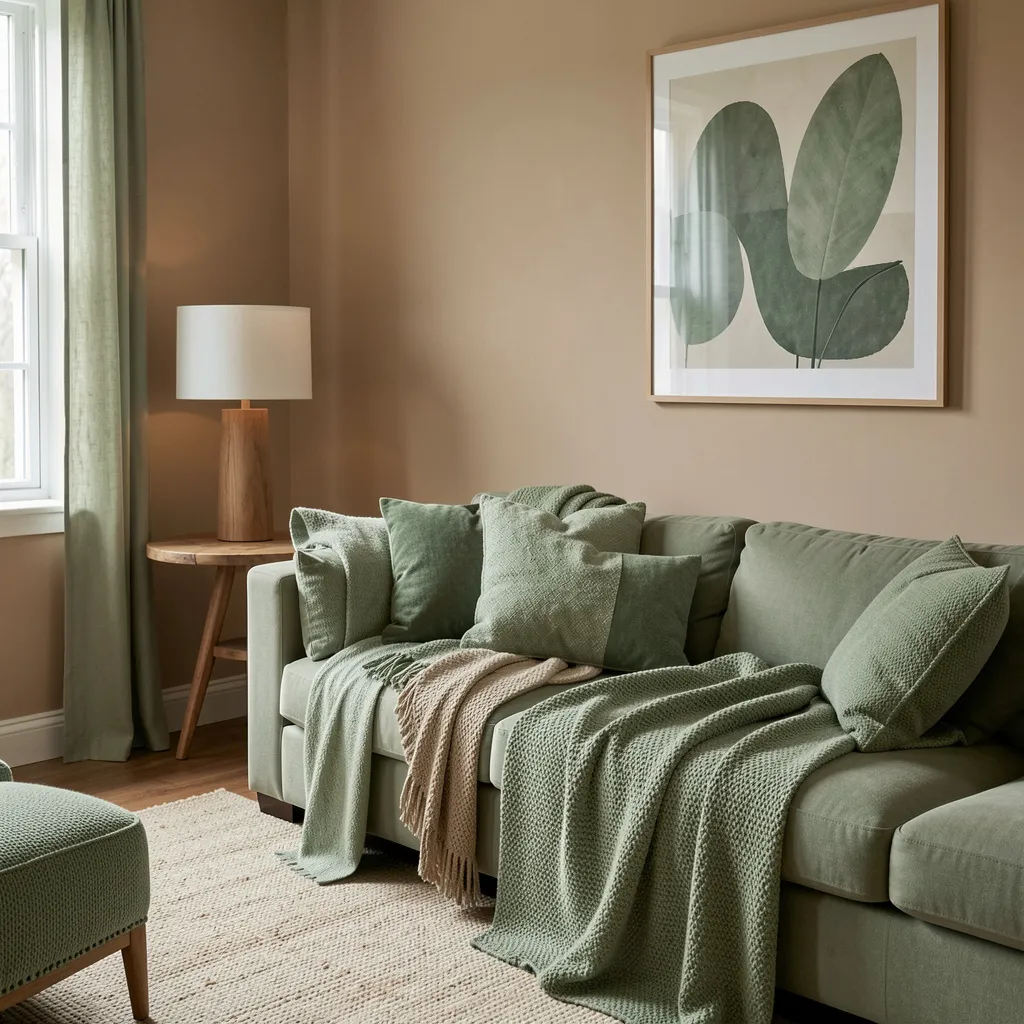
The Psychology of Hue

Understanding how color influences perception, focus, and emotional response in interior environments.

Color and Physiological Response

Research in environmental psychology suggests that colors can influence heart rate, blood pressure, and overall physiological state. Warm tones tend to create a sense of energy and warmth, while cool tones often promote calm and focus.

These responses are not universal, but understanding general patterns can help inform color choices for different types of spaces and activities.
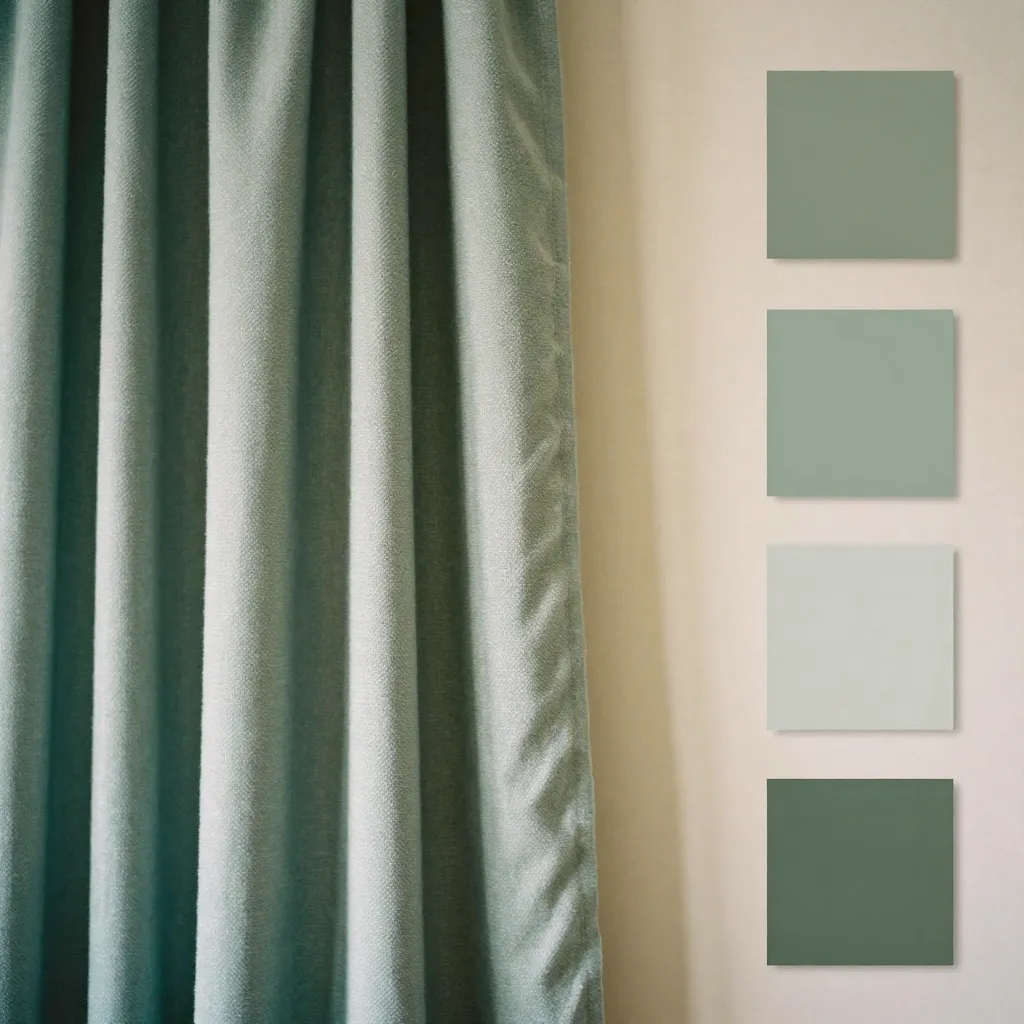
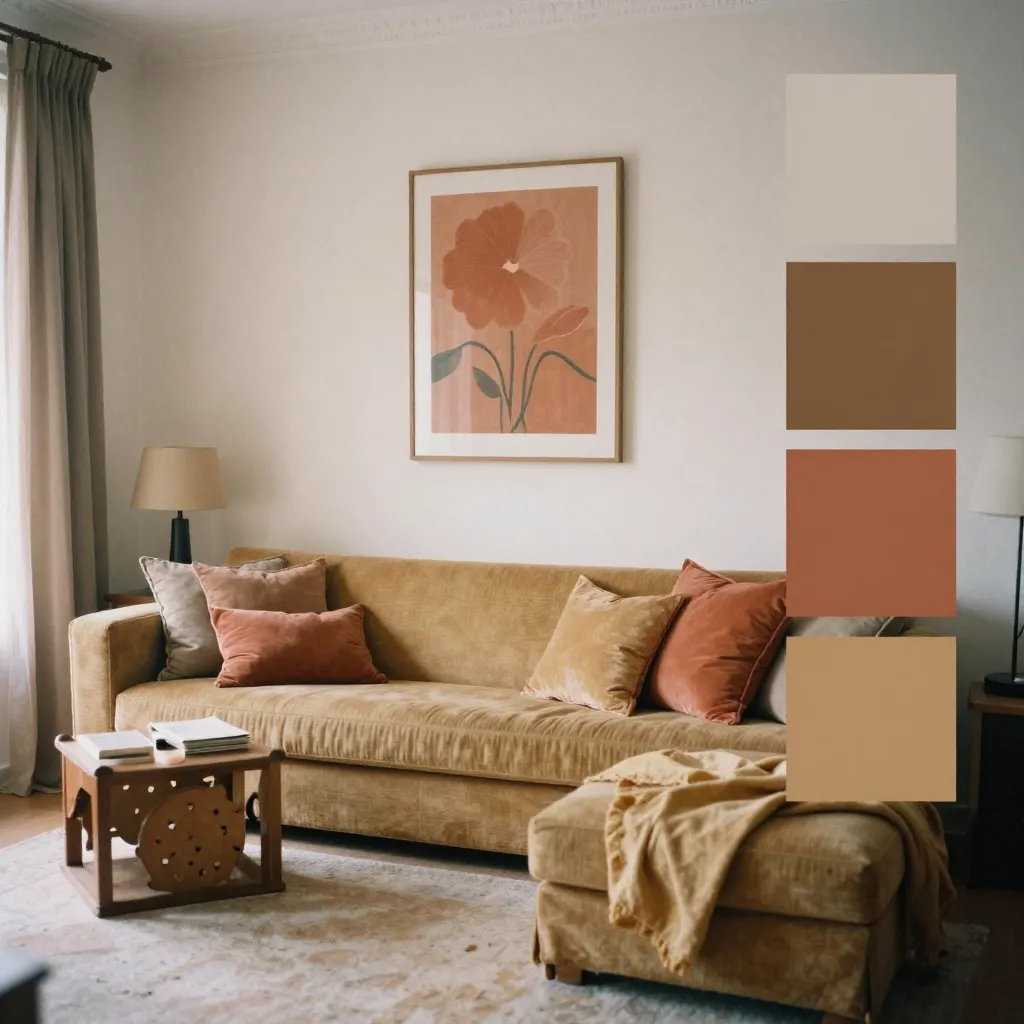
Color and physiological response

Color Categories and Their Effects

Warm color palette effects

Warm Colors

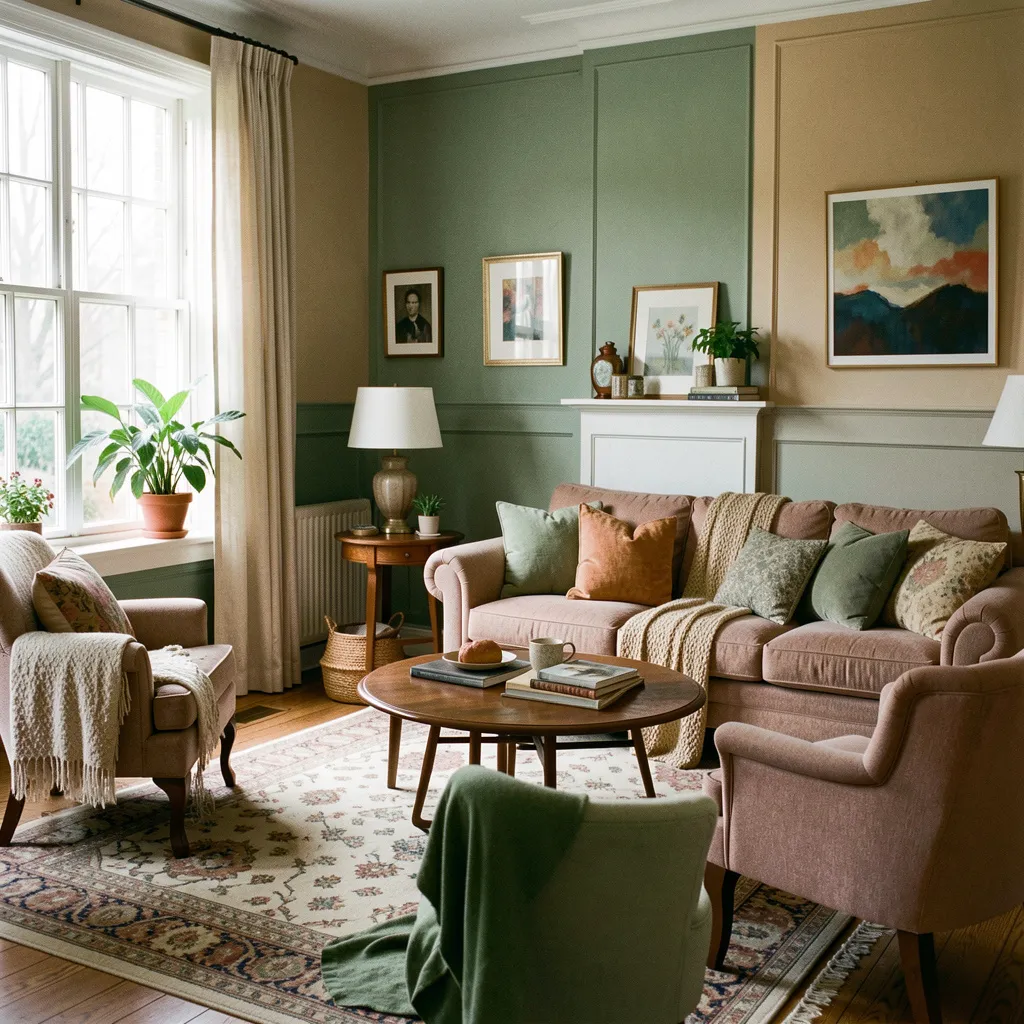
Reds, oranges, and yellows are associated with energy, warmth, and stimulation. They can make spaces feel more intimate and active, suitable for social areas and dining spaces.

Cool color palette effects

Cool Colors

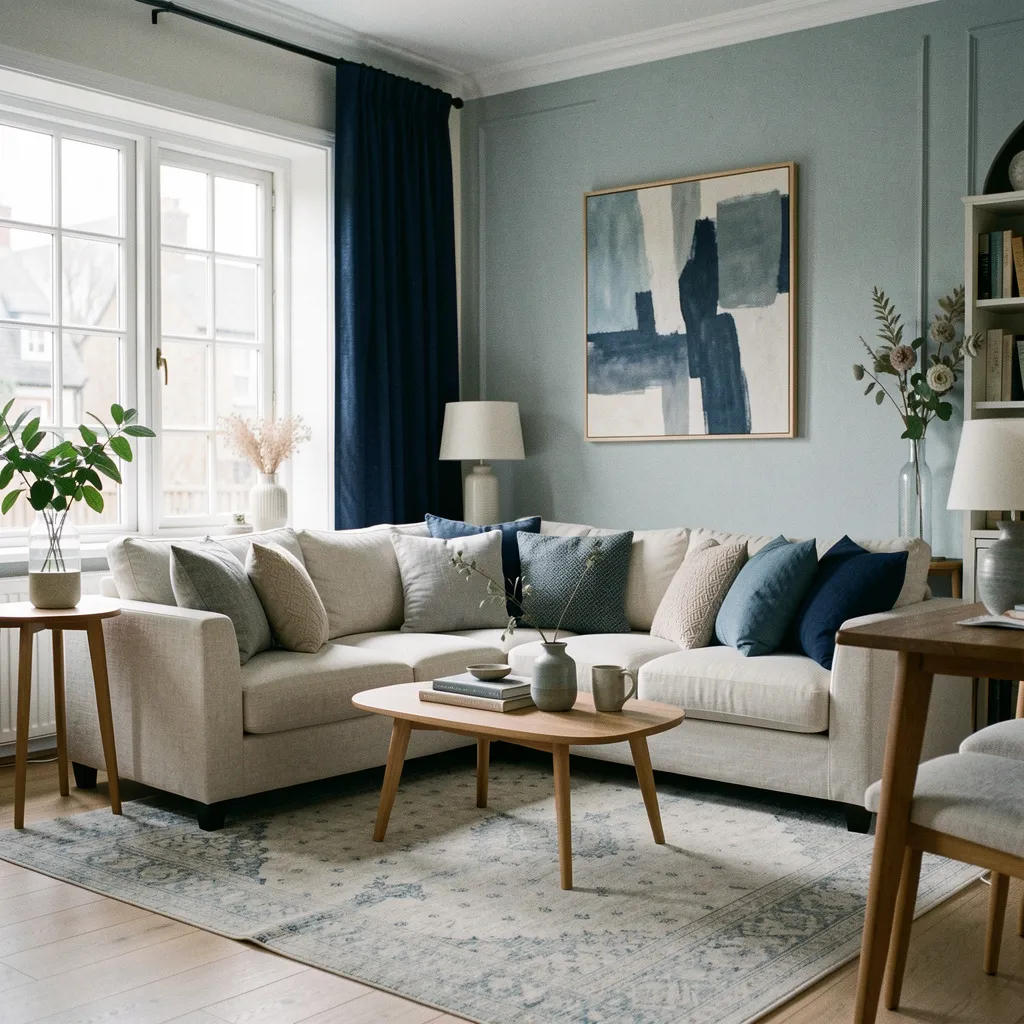
Blues, greens, and purples tend to promote calm, focus, and relaxation. These hues are often chosen for bedrooms, study areas, and spaces intended for rest and concentration.

Neutral color palette effects

Neutral Colors

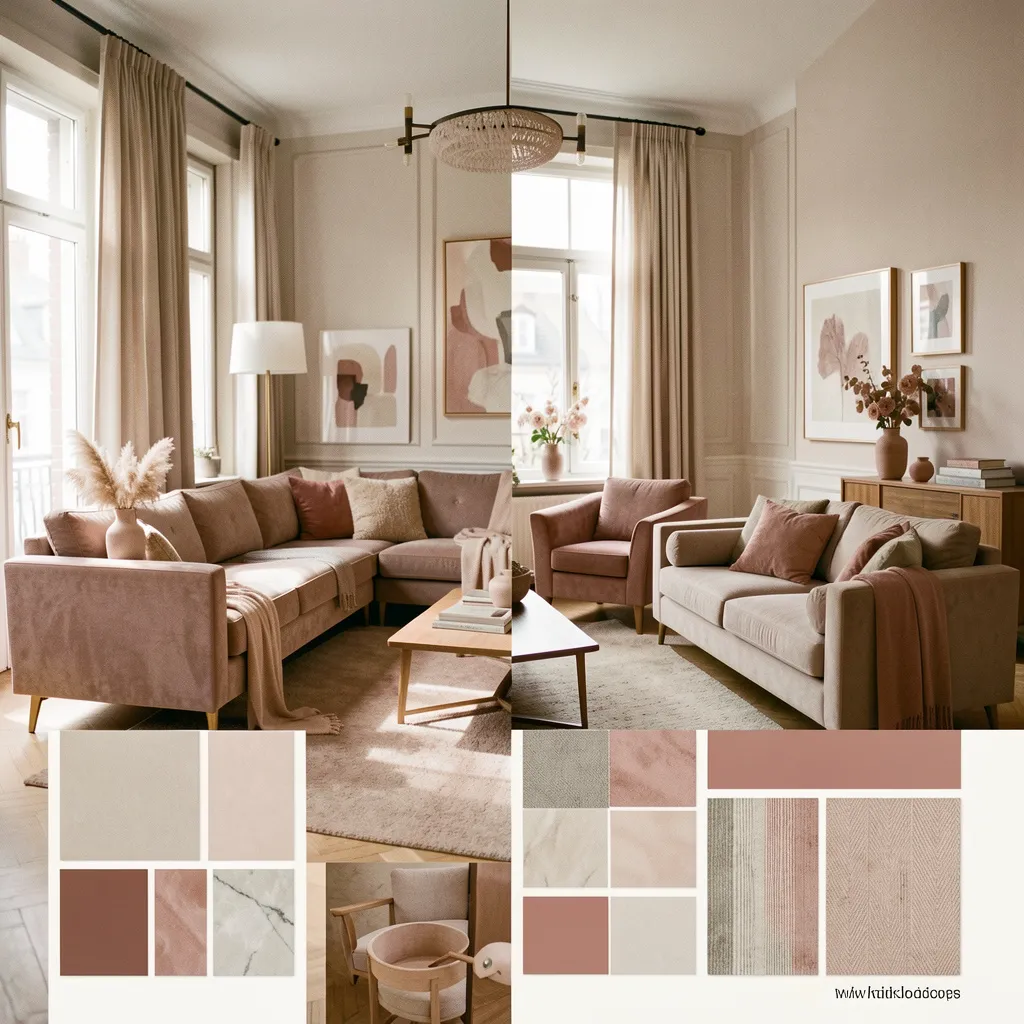
Whites, grays, and beiges provide flexibility and can serve as a foundation for other colors. They create a sense of balance and allow other elements to take prominence.

Focus and Concentration

Certain color combinations have been shown to support focus and cognitive performance. Soft blues and greens, in particular, are often associated with improved concentration and reduced eye strain.

For workspaces and study areas, a palette that balances stimulation with calm can help maintain alertness without causing visual fatigue.

Color and focus enhancement

Sleep and Rest

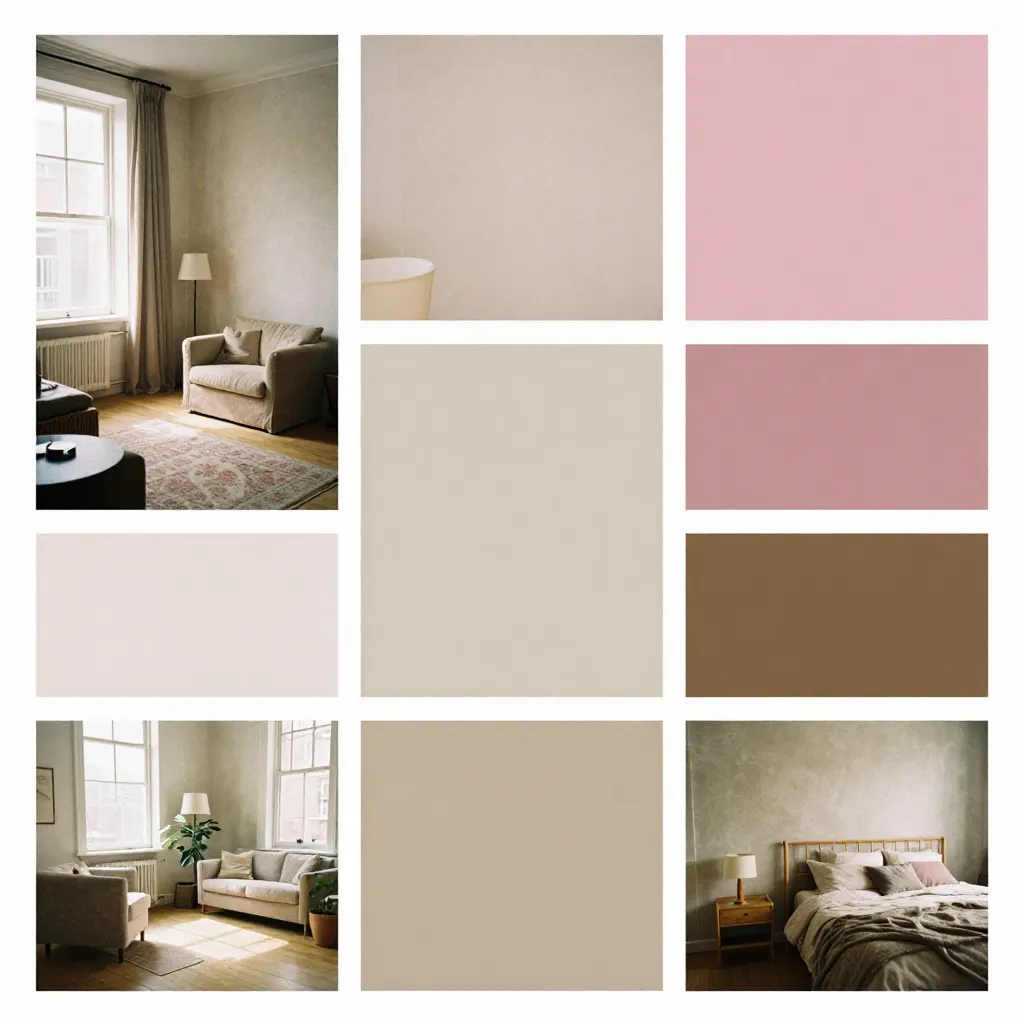
Color choices in bedrooms can influence the quality of rest. Softer, muted tones and cooler hues are generally associated with better sleep environments, as they promote relaxation and reduce visual stimulation.

Understanding these relationships helps justify the importance of professional color consultation in creating spaces that support specific activities and desired outcomes.

Color for restful sleep environments

Cultural and Personal Context

It's important to recognize that color perception is influenced by cultural background, personal experience, and individual preferences. What feels calming to one person might feel different to another.

Our consultation process takes these factors into account, working with your specific context to create palettes that resonate with your personal vision and cultural background.

Begin Your Consultation
Personal color preferences

We use cookies to enhance your browsing experience and analyze site traffic. By continuing to use this site, you consent to our use of cookies.